
Who decided a petroleum by-product belonged in your mouth?
Nylon bristles showed up in the late 1930s, straight out of the same petrochemical boom that gave the world plastic packaging and synthetic fabric. It was cheap to mass-produce and easy to sell. Foaming detergents got added to toothpaste around the same time — they don't clean any better, they just make you feel like something is happening. Decades later, a huge share of adults still deal with cavities and gum problems despite brushing twice a day with the modern setup. Meanwhile, communities that never switched away from a simple chewing stick have some of the lowest rates of dental decay recorded. That's not an accident. It's a stick that was doing the job correctly the entire time.
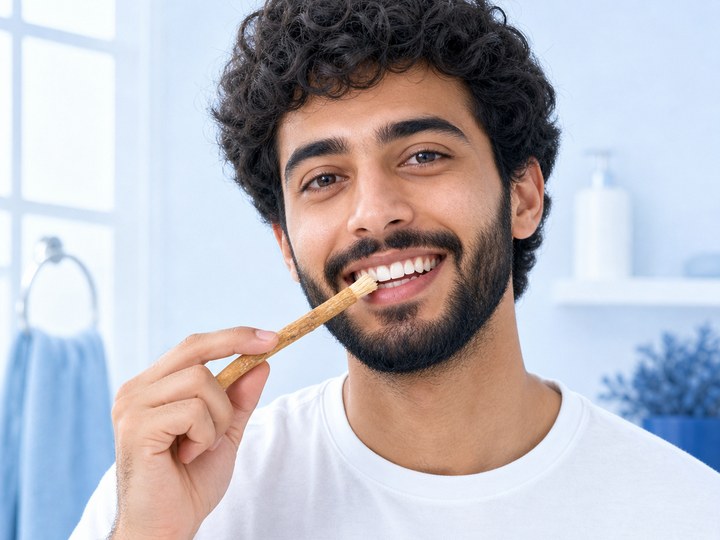
Lifts surface stains
Fine natural silica gently polishes away surface stains with every use — no bleach, no strips.
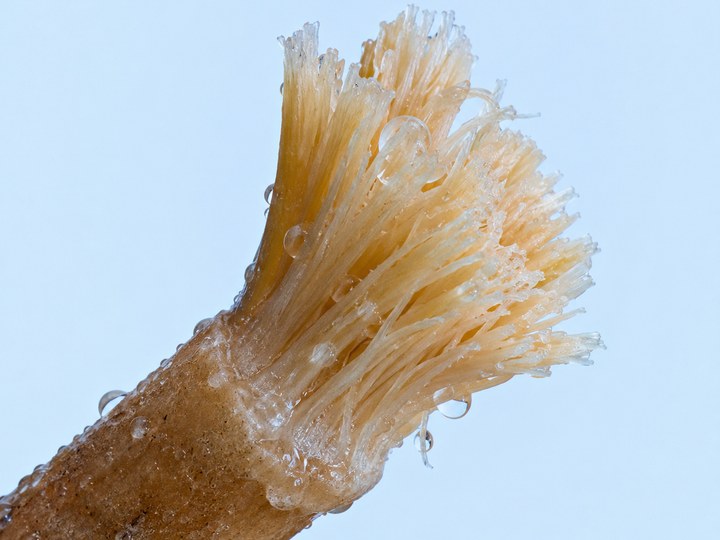
Fights the bacteria behind plaque
Plant compounds studied for their antibacterial action go to work on the same bacteria conventional brushing targets.
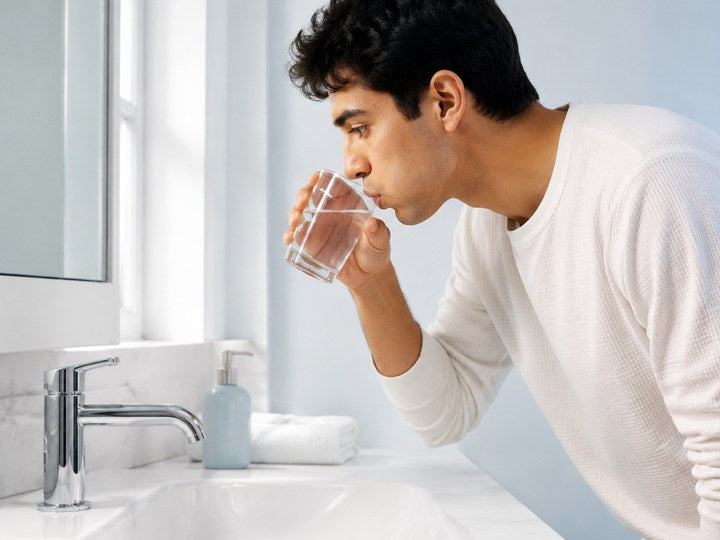
Fresher breath, longer
Addresses odor-causing bacteria directly rather than masking them with mint flavoring.
Supports healthier gums
Gentle, repetitive brushing action combined with plant compounds traditionally used to soothe gum tissue.
Nothing else required
No toothpaste, no separate mouthwash — the stick is designed to do the whole job on its own.
7,000 years of continuous use
Still used daily across Africa, the Middle East, and Asia — long before anyone ran a clinical trial on it.
How it works
Ready in 30 seconds. Lasts for weeks.

Peel back the bark
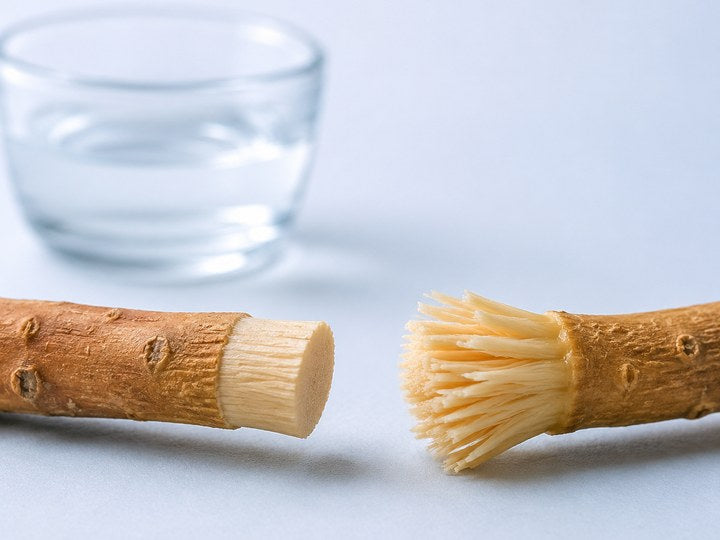
Trim a few millimetres from the tip to expose the fresh fibres underneath — these become your bristles.

Chew until soft
About 30 seconds of gentle chewing splays the fibres into a natural brush head.

Brush as usual
No toothpaste needed — clean, whiten, and freshen breath in one motion.

Trim and reuse
When the tip wears down, trim a fresh section. One stick lasts for weeks.
7,000 years of daily use, across three continents
The World Health Organization has recognized chewing sticks like miswak as an effective traditional oral hygiene tool and has encouraged further study of their use.
What to expect
Results, on a realistic timeline.
Most people notice a difference faster than expected. Tap any milestone to see what's happening.
A different kind of clean
Most people notice their mouth feels cleaner for longer than usual from the very first use — no film, no morning fuzz. It's a different sensation than toothpaste: quieter, but more thorough.
Surface stains start to lift
Natural silica gently polishes the enamel surface with every use. Everyday surface stains from coffee and tea begin to fade — no bleach, no abrasive strips, just fibre that has been doing this for thousands of years.
Breath stays fresh, not just masked
Instead of covering odor with mint flavoring, the natural compounds in the stick target the bacteria that cause it. By the end of week one, most people notice breath staying fresher through the day.
Gums feel calmer, stains keep clearing
Deeper staining continues to fade. Anyone dealing with gum sensitivity or occasional bleeding often notices an improvement here, as consistent gentle brushing action does its work.
It stops feeling like a swap and starts feeling like your routine
By month one, most people have stopped thinking of miswak as a replacement and started thinking of it as simply what they use. Whiter-looking teeth, calmer gums, fresher breath, and one less tube of toothpaste to buy.
A note on individual results: everyone's starting point is different. This timeline reflects average outcomes reported by a survey of miswak users. Some people notice results earlier, some later, depending on diet, existing oral health, and consistency of use. Results are not guaranteed and individual experiences will vary.
See it in action
How to Oil Pull with Coconut Oil (according to a Dentist) — Dr. Joyce Kahng
Does Oil Pulling Work? | Functional Dentist Explains — Dr. Ellie Phillips
I tried Oil Pulling for a YEAR | how my teeth changed — Joanna L
I Oil-Pulled For 30 Days! Here's What Happened — Am-Ra Beauty

An old ritual, studied the modern way
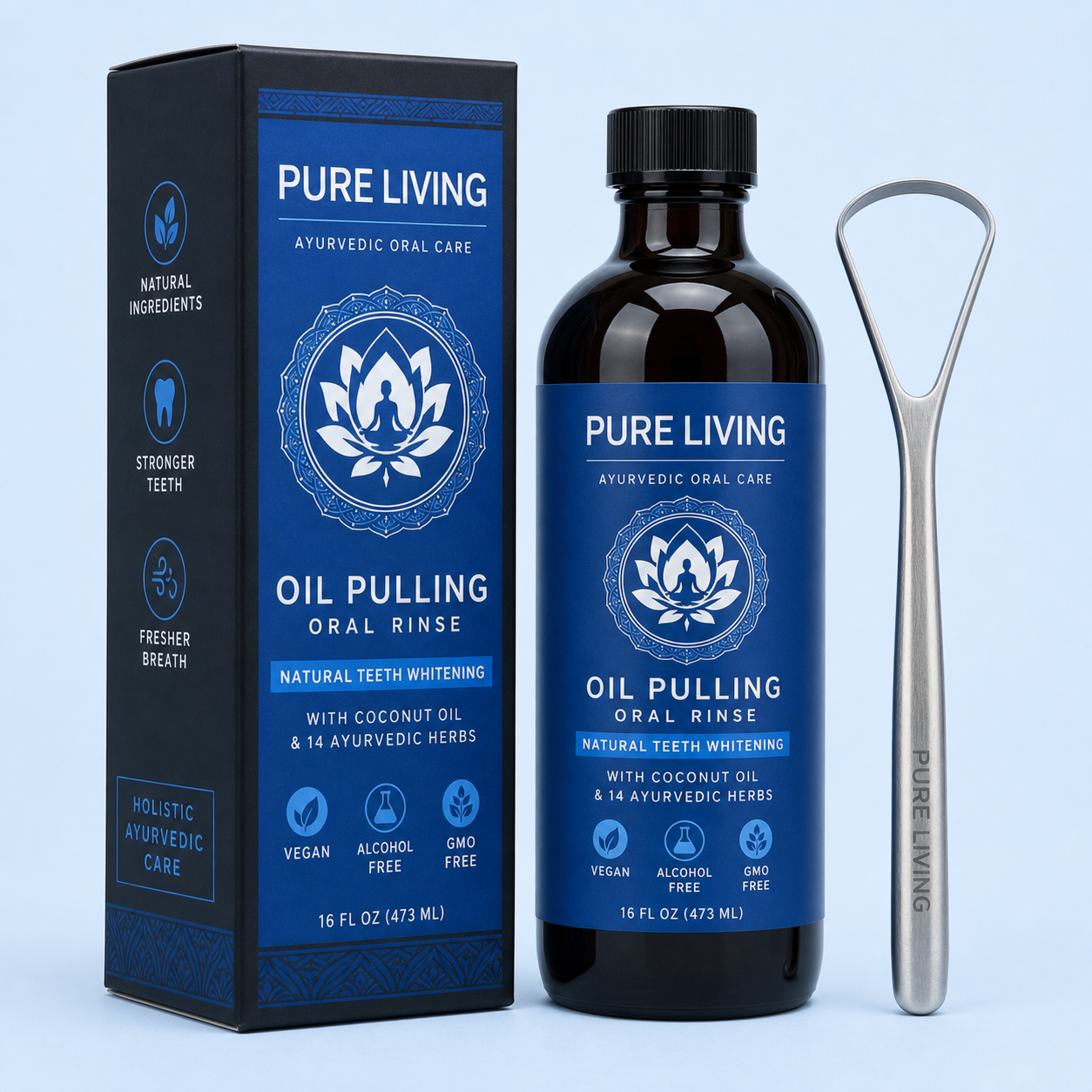
Swishing oil first thing in the morning is one of Ayurveda's oldest oral rituals — and one of the few that has been put through randomized clinical trials. Our blend pairs cold-pressed coconut and sesame oil, the two oils those trials actually used.

Harvested in its purest form
Sourced fresh in small batches from naturally grown Salvadora persica trees, each stick is harvested with no chemical treatment or artificial processing. We work directly with growers in the regions where miswak has always been sourced, and every stick is vacuum-sealed right after cutting to lock in moisture and potency until it reaches you.
Not just tradition
Backed by real research
Oil pulling has been studied in randomized and controlled clinical trials, not just passed down as folklore. Here's a sample of what the published research actually found.

In a randomized, controlled, triple-blind study, sesame oil pulling was associated with a significant reduction in plaque index, gingival index, and bacterial colony counts over 10 days.
Asokan S et al., Indian J Dent Res, 2009 — PMID 19336860
View study on PubMed →
In a prospective interventional study, coconut oil pulling was associated with a statistically significant decrease in plaque and gingival index scores starting at day 7 of a 30-day period.
Peedikayil FC et al., Niger Med J, 2015 — PMID 25838632
View study on PubMed →
In a randomized crossover clinical trial, oil pulling with coconut oil showed plaque-regrowth inhibition similar to a 0.2% chlorhexidine rinse, with less tooth staining.
Sezgin Y et al., Complement Ther Med, 2019 — PMID 31780023
View study on PubMed →These statements have not been evaluated by the Food and Drug Administration. This product is not intended to diagnose, treat, cure, or prevent any disease. Miswak is an oral hygiene aid intended to be used alongside, not instead of, regular toothbrushing and routine dental checkups. Individual results from the cited studies may not be representative of every user's experience.